
When it comes to achieving smoother, brighter-looking skin, exfoliation can play an important role in a well-rounded skincare routine. But with so many exfoliating ingredients available, knowing which one is right for your skin can feel overwhelming.
One ingredient that has become a popular choice in professional and at-home skincare is lactic acid.
As an alpha hydroxy acid (AHA), lactic acid works to exfoliate the surface of the skin, helping to remove accumulated dead skin cells and improve the appearance of dullness and uneven texture. It also has humectant properties, meaning it can help attract and retain moisture.
But what exactly does lactic acid do for your skin, and how can you incorporate it into your routine?
What Is Lactic Acid for Skin?
Lactic acid is an alpha hydroxy acid (AHA) used in skincare to exfoliate the skin’s surface.
Unlike physical exfoliants, which use particles or tools to manually remove surface build-up, lactic acid provides chemical exfoliation. It works by helping to loosen the bonds between dead skin cells at the surface of the skin, allowing them to be removed more easily.
This can leave the skin looking smoother, more refined and brighter.
Lactic acid is also a humectant, meaning it can help attract and retain moisture. This combination of exfoliating and hydrating properties makes it a versatile ingredient in lactic acid skincare products.
What Are the Benefits of Lactic Acid for Skin?
So, what are the key lactic acid benefits?
When used in an appropriately formulated skincare product, lactic acid can help improve several common skin concerns.
1. Helps Improve the Appearance of Skin Texture
Dead skin cells can accumulate on the surface of the skin, contributing to a rough or uneven appearance.
As a lactic acid exfoliant, it helps loosen and remove surface build-up, revealing fresher-looking skin underneath. With regular, appropriate use, this can help the skin appear smoother and more refined.
2. Helps Brighten the Appearance of Dull Skin
When dead skin cells accumulate, they can contribute to a complexion that looks dull or lacklustre.
By supporting the removal of these surface cells, lactic acid can help reveal a fresher, brighter-looking complexion.
This makes lactic acid a popular ingredient for people looking to improve the appearance of dullness and uneven-looking skin tone.
3. Supports a More Hydrated-Looking Complexion
One of the interesting properties of lactic acid is that it isn’t solely an exfoliating ingredient.
Lactic acid also has humectant properties, meaning it can help attract and retain moisture. As part of a well-formulated product, this can help support the skin’s moisture levels while exfoliating the surface.
This makes lactic acid particularly useful in skincare routines where the goal is to improve both texture and the overall feel of the skin.
4. Helps Refine the Appearance of Skin
Regular exfoliation can help reduce the surface build-up that contributes to an uneven-looking complexion.
By helping to remove dead skin cells, lactic acid can contribute to skin that looks smoother, more even and more refined.
Who Can Benefit From Lactic Acid Skincare?
Lactic acid may be a useful addition to a skincare routine for people concerned with:
- Dull or lacklustre-looking skin
- Uneven skin texture
- Rough or flaky surface skin
- An uneven-looking complexion
- Surface build-up
- Skin that lacks a smooth, refined appearance
However, not all lactic acid skincare products are formulated in the same way. Concentration, supporting ingredients and the overall formulation can all influence how a product performs and how frequently it should be used.
If your skin is already irritated, compromised or particularly reactive, introducing an exfoliating acid may not be appropriate until your skin has recovered. When in doubt, speak with a qualified skincare professional.
Lactic Acid vs Glycolic Acid: What’s the Difference?
Lactic acid and glycolic acid are both alpha hydroxy acids (AHAs) that help exfoliate the skin’s surface, improve the appearance of uneven texture and promote a brighter-looking complexion.
While they share similar benefits, their molecular structures and properties make them suitable for different skincare formulations.
| Lactic Acid | Glycolic Acid |
| Larger molecular structure | Smaller molecular structure |
| Generally penetrates more gradually | Penetrates more readily |
| Has exfoliating and humectant properties | Primarily valued for its exfoliating properties |
| Commonly used in gentler exfoliating formulations | Often used in more intensive exfoliating formulations |
| Helps improve the appearance of dullness and uneven texture | Helps improve the appearance of dullness, uneven texture and surface build-up |
Both ingredients can play an important role in AHA skincare. The most suitable option depends on the formulation, concentration and your individual skin needs and tolerance.
Lactic Acid and Glycolic Acid in Pelactiv Cleansers
At Pelactiv, both ingredients feature in our cleansing range, offering different approaches to AHA exfoliation as part of your skincare routine.
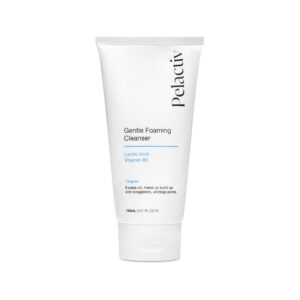
Gentle Foaming Cleanser: Lactic Acid
Our Gentle Foaming Cleanser incorporates lactic acid into a daily cleansing step, helping remove daily impurities and surface build-up while providing exfoliation.
For those looking to incorporate lactic acid skincare into their routine in a cleanser format, it provides a simple way to combine cleansing with the benefits of AHA exfoliation.
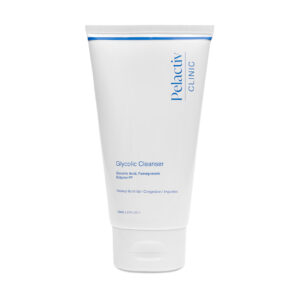
Glycolic Treatment Cleanser: Glycolic Acid
Featuring 9.8% Glycolic Acid, our Glycolic Treatment Cleanser provides a more targeted exfoliating approach.
It helps remove accumulated dead skin cells and refine the appearance of uneven texture and dullness, making it an option for those looking to incorporate a more intensive glycolic acid treatment into their cleansing routine.
Both cleansers offer a way to incorporate AHA exfoliation into your skincare routine. The right choice will depend on your skin’s needs, tolerance and existing products.
Always follow the recommended directions and avoid over-exfoliating.
How to Use Lactic Acid in Your Skincare Routine
Knowing how to use lactic acid is just as important as choosing the right product.
Introducing an exfoliating acid doesn’t mean you need to completely change your skincare routine. A simple approach is to incorporate your lactic acid product into your existing routine gradually.
Step 1: Cleanse
Start by cleansing the skin to remove daily impurities, excess oil and other surface build-up.
A suitable cleanser prepares the skin for the products that follow. Pelactiv’s Gentle Foaming Cleanser, formulated with lactic acid, can be an option for those looking to incorporate AHA exfoliation into their cleansing routine.
Step 2: Exfoliate with a Lactic Acid Product
Our Facial Refiner Deep Cleansing Scrub uses a dual-action exfoliation to effectively remove dead skin cells and decongest the skin. The physical granules work to polish the surface of the skin, whilst Lactic Acid penetrates deeper into the skin to decongest the skin. If you’re new to a lactic acid exfoliator, start using 1-2 times a week. Usage can increase to 2-3 times a week depending on skin type.
Step 3: Hydrate and Moisturise
After exfoliating, follow with hydrating skincare to help maintain a comfortable, balanced-feeling complexion.
Our Hydra Daily Defence is a lightweight, nourishing daytime moisturiser, whilst our Nightly Rejuvenator is a richer nighttime moisturiser that uses Lactic Acid to promote skin renewal overnight.
Ingredients such as hyaluronic acid and other moisturising ingredients can complement an exfoliating routine by helping support skin hydration.
Step 5: Protect Your Skin During the Day
If you’re using exfoliating acids, daily sun protection is particularly important.
Apply a broad-spectrum SPF 30 or higher during the day and follow the directions of your sunscreen product.

How Often Should You Use Lactic Acid?
There isn’t one frequency that works for everyone.
How often you should use lactic acid depends on the concentration and formulation of the product, as well as your individual skin tolerance.
If you’re new to exfoliating acids, introducing the product gradually can help you determine how your skin responds. Always follow the directions provided with the specific product you’re using.
It’s also important to remember that more exfoliation isn’t necessarily better. Over-exfoliating can leave the skin feeling uncomfortable, dry or irritated.
The goal is to support healthy-looking skin, not to continually remove layers of it.
Can You Combine Lactic Acid With Other Active Ingredients?
Lactic acid can be incorporated into a skincare routine alongside other active ingredients, but it’s important to consider the overall combination of products you’re using.
Using several strong exfoliating or active ingredients together can increase the likelihood of irritation, particularly if you’re new to active skincare.
For example, you may choose to use your exfoliating product at night while keeping your morning routine focused on hydration, moisturising and sun protection.
If you’re already using ingredients such as retinol, glycolic acid or other exfoliating acids, consider introducing new actives gradually rather than adding everything to your routine at once.
If you’re unsure how to combine active ingredients, a skincare professional can help you develop a routine suited to your skin.
Lactic Acid Skincare Products: Finding the Right Formula
When looking at lactic acid skincare products, it’s important to consider more than simply the name of the active ingredient.
The concentration, formulation, supporting ingredients and intended use of a product all influence how lactic acid fits into your skincare routine.
Pelactiv incorporates lactic acid into different formulations, allowing you to choose an approach that suits the role you want exfoliation to play in your routine.
Gentle Foaming Cleanser
For those looking for a lactic acid cleanser, Gentle Foaming Cleanser combines cleansing with lactic acid exfoliation.
It can be incorporated into a routine where the goal is to remove daily impurities and surface build-up while supporting smoother, fresher-looking skin.
Facial Refiner Deep Cleansing Scrub
For a more dedicated exfoliation step, Pelactiv Facial Refiner combines Lactic Acid with Tea Tree, Lime Pearl and Pumice.
The combination of chemical and physical exfoliation helps remove surface build-up while supporting smoother, more refined-looking skin.
Facial Refiner is designed to be used as a targeted exfoliating step rather than simply another daily cleanser, making it a different approach to incorporating lactic acid into your routine.
Glycolic Treatment Cleanser
If you’re looking for an alternative AHA, Pelactiv’s Glycolic Treatment Cleanser contains 9.8% Glycolic Acid.
This provides a more targeted glycolic acid approach for those looking to address the appearance of dullness, uneven texture and surface build-up.
Choosing between lactic acid and glycolic acid comes down to your skin’s needs, the product formulation and how your skin responds to exfoliation.
Is Lactic Acid Right for Your Skincare Routine?
Lactic acid can be a versatile addition to a skincare routine, particularly if your main concerns are dullness, uneven texture and a lack of smoothness.
As an AHA, it helps exfoliate the skin’s surface while its humectant properties can support a more hydrated-looking complexion.
The key is finding the right formulation and introducing it at a frequency your skin can tolerate.
At Pelactiv, we combine professional skincare expertise with targeted active ingredients to create formulations designed around specific skin concerns, helping you take a more considered approach to your skincare routine.
Frequently Asked Questions About Lactic Acid Skincare
Is lactic acid good for everyday use?
It depends on the product. The recommended frequency will vary according to the concentration, formulation and your skin’s tolerance. Always follow the directions provided with your specific product.
What does lactic acid do for your skin?
Lactic acid helps exfoliate the surface of the skin, supporting the removal of dead skin cells. This can help improve the appearance of dullness and uneven texture. It also has humectant properties that can support a more hydrated-looking complexion.
Can lactic acid help with dull skin?
Yes. Lactic acid exfoliates the surface of the skin, helping to remove accumulated dead skin cells that can contribute to a dull-looking complexion.
Does lactic acid help with skin texture?
Lactic acid can help improve the appearance of uneven and rough skin texture by supporting the removal of dead surface cells.
Is lactic acid good for your face?
Lactic acid is commonly used in facial skincare products because it can exfoliate the skin’s surface and help improve the appearance of dullness and uneven texture. As with any active ingredient, the appropriate product and frequency depend on your skin’s needs and tolerance.
Can you use lactic acid with retinol?
Both are active ingredients, so combining them may increase the likelihood of irritation for some people. Depending on your routine and skin tolerance, you may prefer to use them at different times. If you’re unsure, speak with a skincare professional.
Can lactic acid make your skin peel?
Lactic acid exfoliates the skin, but visible peeling isn’t necessary for it to work. Excessive peeling, persistent redness, burning or discomfort may indicate that your skin is being over-exfoliated.
Should you use lactic acid in the morning or at night?
This depends on the specific product and its directions. Many people choose to incorporate exfoliating products into their evening routine. Regardless of when you use lactic acid, daily broad-spectrum sun protection is an important part of any skincare routine.
Can I use a lactic acid cleanser with other exfoliating products?
It depends on the products and your skin’s tolerance. Because a lactic acid cleanser already provides exfoliation, adding several other exfoliating products to the same routine may increase the likelihood of irritation. Introduce active products gradually and follow their recommended directions.
The Bottom Line
Lactic acid is more than just an exfoliating ingredient.
As an AHA, it can help remove surface build-up, improve the appearance of uneven texture and dullness, while its humectant properties can support a more hydrated-looking complexion.
The key to getting the most from lactic acid skincare is consistency without overdoing it. Choose a well-formulated product, introduce it gradually and support your routine with hydration, moisturisation and daily sun protection.
From a lactic acid cleanser such as Pelactiv Gentle Foaming Cleanser to a dedicated exfoliating product such as Facial Refiner, there are different ways to incorporate lactic acid into your skincare routine.
Whether you’re new to AHA skincare or looking to refine your existing routine, understanding how lactic acid works can help you make more informed choices about the products you use.
Explore Pelactiv’s lactic acid skincare products and discover an exfoliating solution designed for your skin’s needs.


